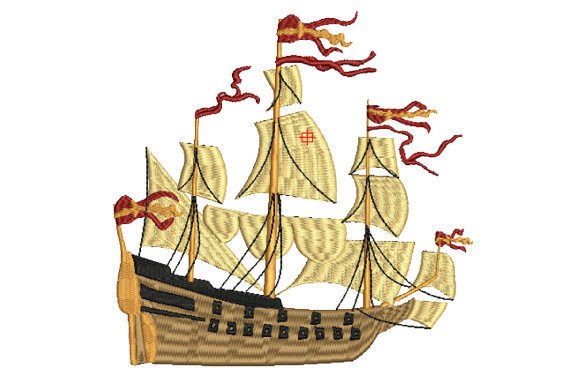
Sailboat Battling the Wind in the Ocean Review
As an experienced embroidery designer who has spent countless weekends setting up booths at local craft fairs and managing a busy handmade shop, I know that the difference between a design that sits on a shelf and one that sells out is often about how it translates from a digital screen to a physical product. Today, I am reviewing a specific piece titled Sailboat Battling the Wind in the Ocean. This design features a sailing ship inspired by the historic junk vessel, a traditional vehicle used for transporting people and goods across the country. It falls under the Transportation category and is formatted as an embroidery file. My goal here is to evaluate whether this piece is ready for your next weekend market or if it needs some adjustments before hitting the production line.
First Impressions: A Bold Nautical Statement
When I first loaded the file for Sailboat Battling the Wind in the Ocean, my immediate reaction was one of dynamic energy. The description mentions a ship battling the wind, which suggests a design that is not static or passive. In the world of handmade products, customers are drawn to designs that tell a story or evoke a feeling. This design feels bold and adventurous rather than soft or minimalistic. It carries a rustic charm mixed with a premium nautical aesthetic that fits perfectly into the current trend of maritime-inspired decor.
The historical reference to the junk ship adds a layer of depth that elevates it above generic sailboat motifs. It feels educational yet decorative, making it an excellent conversation starter for a booth display. For a craft fair seller, this kind of narrative appeal is crucial because it gives you something to say when a customer stops to look at your table. It stands out as a unique embroidery design that moves beyond simple clipart into the realm of artistic storytelling.
Product Potential: Where This Design Shines
To determine the best use for Sailboat Battling the Wind in the Ocean, we need to look at how it performs on various surfaces. In my experience, the success of a crafter product often depends on the medium chosen. Here is how this design fares on key items:
- Tote Bags and Market Bags: This is arguably the strongest application. A large, detailed ship looks fantastic on a canvas tote bag. The size of the bag allows the "battling" aspect of the waves and sails to breathe. It serves as a perfect tote bag design for beach lovers and travelers.
- Kitchen Towels and Aprons: The nautical theme works exceptionally well in a kitchen setting. On a white or blue tea towel, the contrast can be striking. As an apron embroidery piece, it adds a touch of character to a chef's uniform or a home baker's gear. However, ensure the design isn't so dense that it makes the fabric stiff when worn.
- Patches and Caps: If the file includes a clean border, it could work as an embroidered patch for denim jackets or backpacks. For caps, the curved surface might challenge smaller details, so test this carefully. A cap with this ship design would definitely catch the eye in a crowd.
- Pillow Covers and Home Decor: The dramatic nature of the ship makes it a great focal point for throw pillows. It transforms a plain cushion into a statement piece, increasing the perceived value of the item.
For Etsy sellers and digital creators, creating printable mockups of this design on these specific items will help visualize its potential. Showing the design on a rustic wooden table next to a coffee cup or hanging on a beach wall can significantly boost engagement.
Practical Selling and Production Considerations
Before you commit to mass-producing Sailboat Battling the Wind in the Ocean, you must consider the practicalities of machine embroidery. A design that looks good on a computer screen does not always translate well to thread. The description highlights a ship in motion, which likely involves many satin stitches and fill patterns. You need to verify the stitch density to ensure the fabric doesn't pucker or become too rigid.
This design works best as a medium-to-large focal point. Trying to shrink it down to a tiny accent on a small pouch might result in a loss of detail, making the ship look like a blob. For batch production, consistency is key. If you are selling commercial embroidery products, you need to ensure that every stitch count and colorway remains consistent across hundreds of units. The design should photograph well; avoid using backgrounds that clash with the thread colors, as this can make the listing photos look muddy.
Careful Use Notes and Technical Warnings
There are specific areas where this design requires caution. Because the ship is depicted as battling the wind, there may be intricate lines representing rigging or waves. These fine details can get lost on textured fabrics like thick terry cloth towels or heavy denim. If you are working with dark fabric, you must ensure the thread colors have enough contrast; otherwise, the design will disappear into the background.
Additionally, check the spacing of the design elements. If the stitching is too close together on a curved surface like a baseball cap, the needle might hit the brim or cause distortion. Small lettering, if present in the design, is another risk factor. Tiny text often becomes illegible after washing or when embroidered on uneven surfaces. Always review the hoop size requirements and confirm that your stabilizer choice matches the weight of the fabric. Using the wrong stabilizer can lead to puckering, which ruins the professional look of your finished product.
Designer's Checklist for Success
To turn this digital embroidery file into a profitable small shop product, follow these steps:
- Test on Scrap Fabric: Never run a full production run without testing on a scrap piece of your actual target fabric first. Check how the threads lay and if the fabric distorts.
- Check Thread Contrast: Ensure the selected thread colors pop against the fabric. High contrast usually equals higher sales.
- Review Spacing and Density: Inspect the stitch density to prevent stiffness. Adjust if necessary for the specific material.
- Confirm Commercial Licensing: Before selling finished products, double-check the licensing terms of the design asset. Ensure you have the right to sell the physical items made from this file.
- Create Real Mockups: Photograph a real sample, not just a digital render. Customers want to see the texture and quality of the finished product.
Final Verdict on Visual Appeal and Brand Value
In conclusion, Sailboat Battling the Wind in the Ocean has strong potential to become a flagship item for your craft fair booth or online store. Its ability to convey movement and history gives it a premium feel that can elevate your brand's image. When displayed correctly on high-quality textiles, it commands attention and justifies a higher price point. It is more than just a decoration; it is a piece of art that resonates with buyers who appreciate craftsmanship and nautical themes.
By paying attention to the technical details—like stabilizer choice, fabric texture, and hoop size—you can ensure that every handmade gift you produce meets the highest standards. Whether you are a boutique maker or a creative entrepreneur, this design offers a versatile opportunity to expand your collection. Just remember to test thoroughly and prioritize quality over speed. With the right execution, this ship can sail straight into the hearts of your customers.