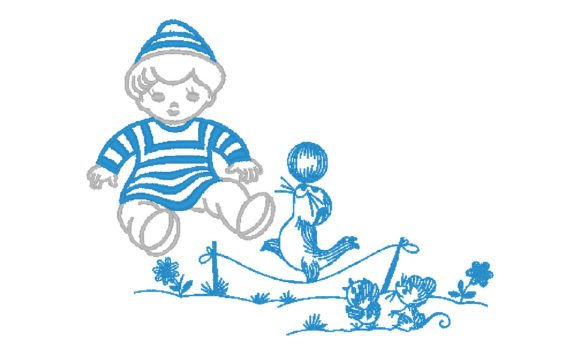
Cute Baby Boy Embroidery Review for Gift Makers
As an experienced embroidery designer, I spend a lot of time testing new digital files before recommending them to my network of small business owners and Etsy sellers. Recently, I pulled the Cute Baby Boy design from my library to see if it had the potential to be a bestseller in my own shop. The goal was simple: determine if this machine embroidery design could deliver the emotional punch needed for high-value personalized gifts while maintaining technical reliability on various fabrics.
The product description promises a playful accent that gives a nice look to your fabrics, but as someone who has stitched thousands of designs, I know that "nice" is not enough. For a gift item to sell well, it needs character, clarity, and versatility. After running several test stitches on scrap materials, here is my honest review of how Cute Baby Boy performs when turned into a finished product.
First Impressions: Charm and Emotional Appeal
The moment I hooped the fabric, the mood of the design became clear. It strikes a perfect balance between sweet and modern. Unlike some overly ornate baby designs that can feel cluttered or dated, this design feels fresh and approachable. It captures a playful energy that immediately suggests warmth and joy, making it ideal for nursery decor or keepsakes.
For a handmade seller, the emotional connection is everything. When a customer sees this design embroidered on a soft cotton blanket or a rustic kitchen towel, they do not just see a pattern; they see a memory being created. The charm of Cute Baby Boy lies in its simplicity. It does not rely on excessive detail to convey its message. Instead, it uses clean lines and a friendly aesthetic that appeals to parents looking for something timeless yet contemporary. This makes it a versatile choice for any occasion, from a baby shower to a first birthday celebration.
From Digital File to Personalized Gift
One of the most critical aspects of selling custom embroidery is knowing where a design fits best. In my testing, Cute Baby Boy proved to be incredibly adaptable across different product categories. It shines as a centerpiece for a baby blanket, where the soft texture of the fabric enhances the stitch quality. However, its utility extends far beyond bedding.
I envision this design transforming a standard apron into a cherished family heirloom. Imagine a grandmother receiving a personalized apron with this motif for her grandson's first Christmas. The perceived value of such a gift skyrockets because the design adds a layer of thoughtfulness that mass-produced items simply cannot match. Similarly, for wedding gift designers, this file offers a unique way to celebrate a new family member during a bridal shower or as part of a welcome home package.
For Etsy sellers and craft fair vendors, the versatility of this design is a major asset. You can use it on pillow covers to create matching sets for a nursery, or embroider it onto tote bags for practical yet sentimental gifts. The design works beautifully as a standalone element, allowing you to pair it with monograms or dates without creating visual clutter. Whether you are creating a digital mockup for a listing or stitching a physical sample for a booth, Cute Baby Boy provides a strong foundation for a compelling product story.
Where to Use Carefully
While this design is robust, every embroidery file has limitations based on its structure. As a professional reviewer, I must highlight specific scenarios where caution is required to ensure customer satisfaction.
- Small Lettering and Delicate Details: If the design includes text or very fine details, avoid using it on products where the area is extremely small. Tiny stitches can get lost on thick towels or textured fabrics, leading to a muddy appearance.
- Stretchy Fabrics: While great for woven blankets and quilts, be cautious when applying this to stretchy baby clothes like onesies. Without proper stabilizer techniques, the design may pucker or distort after washing.
- Curved Surfaces: Embroidering on curved items like caps or fitted clothing requires advanced hoop placement skills. Flat surfaces like aprons and tote bags are much safer for consistent results.
- Dark Fabric: Ensure your thread color contrast is sufficient. On dark backgrounds, lighter threads might need underlay adjustments to pop, which can affect the final look of the design.
- Frequent Washing: Products that undergo heavy laundering require durable stitch density. Always verify that the design is dense enough to withstand repeated cycles without fraying.
Impact on Brand Trust and Product Value
In the world of handmade goods, quality perception drives sales. A well-executed Cute Baby Boy embroidery job signals professionalism and care. When a buyer receives a product where the stitches are even, the colors are vibrant, and the design sits perfectly flat, their trust in your brand increases. This leads to repeat purchases and positive reviews, which are vital for growing a small shop.
Furthermore, the visual appeal of this design translates directly to better product photography. Because the motif is charming and distinct, it photographs well against various backdrops. Whether you are shooting for an Etsy listing or social media ads, the design acts as a focal point that draws the eye. This engagement is crucial for converting browsers into buyers who are looking for meaningful, custom-made items.
Practical Embroidery Notes for Makers
Before you start taking orders for products featuring this design, there are several technical steps you must take to guarantee success. These notes are essential for anyone handling commercial embroidery projects.
- Test on Scrap Fabric: Never run a production order without testing the design on the exact fabric you plan to use. This helps you identify potential issues with puckering or thread breaks early.
- Check Thread Color Contrast: Compare your chosen thread colors against the fabric. High contrast usually yields the best results, especially for detailed work.
- Confirm Hoop Size: Ensure your hoop size matches the dimensions of the design. If the design is too large for your available hoops, you may need to split the file or adjust your workflow.
- Review Stitch Density: Look closely at the stitch density in the file. Too much density on light fabrics can cause stiffness, while too little can lead to gaps in the coverage.
- Use Proper Stabilizer: Select the right stabilizer for your material. Cut-away stabilizers are generally best for items that will be washed frequently, like blankets and towels.
- Compare Light and Dark Mockups: Create digital mockups on both light and dark fabrics to visualize the final product accurately before marketing it.
- Commercial Licensing: Verify your commercial licensing terms before selling finished products. Most digital embroidery files come with specific rules regarding resale, so read the license agreement carefully.
By following these guidelines, you can ensure that your finished products reflect the high standards expected by discerning customers. The Cute Baby Boy design is more than just a collection of stitches; it is a tool that allows you to create lasting memories. With careful planning and attention to detail, this design can become a staple in your inventory, helping you build a reputation for quality and creativity in the competitive world of handmade gifts.