Gnome Witch: A Designer's Review for Real Projects
As someone who has spent years stitching designs onto everything from baby onesies to boutique tote bags, I know that the difference between a good project and a great one often comes down to the design itself. It is not just about having a cute image; it is about how that image translates into thread, how it sits on fabric, and whether it holds up after a few washes. Recently, I evaluated a new Halloween embroidery design called Gnome Witch, specifically looking at its potential for real-world application in both personal gifts and small business merchandise. My goal was to see if this design could stand out in a crowded market or if it would be better left in the digital folder.
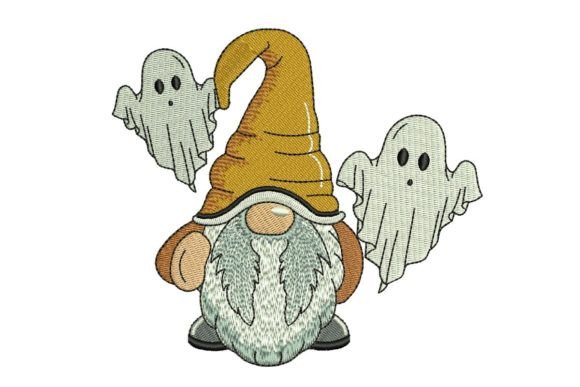
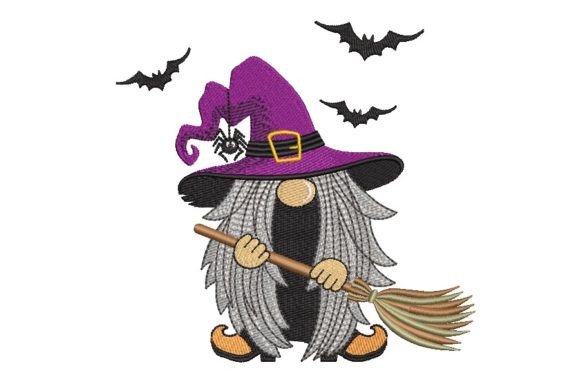
The first impression of Gnome Witch is immediate charm mixed with seasonal spirit. Unlike many Halloween designs that lean too heavily into gore or darkness, this piece strikes a balance that feels accessible yet festive. The visual personality suggests a character that is mischievous but friendly, making it perfect for a wide range of products. When I first looked at the layout, I immediately thought of where it would fit best on a garment or home decor item. The shape seems to have a natural flow that works well with vertical placements, such as the pocket area of an apron or the chest of a sweatshirt. For a designer, that intuitive feel is crucial because it dictates how customers will interact with the finished product.
Real-World Application: From Digital File to Finished Product
To truly understand the value of Gnome Witch, I put myself in the shoes of a crafter preparing a custom order. Imagine you are an Etsy seller gearing up for the holiday season, needing a unique item to add to your shop. You decide to create a line of embroidered tote bags featuring spooky characters. If I were to use Gnome Witch here, the design would likely become a standout piece. The combination of spookiness and cuteness appeals to parents buying gifts for children, as well as adults who want to celebrate the holiday without being overly dark.
I also considered using this design for personalized gifts. Picture a baby shower gift for a family expecting their little one during October. A soft sweatshirt or a onesie embroidered with Gnome Witch would be a hit. The design's moderate detail level means it can be stitched clearly even on smaller items like hats or caps, provided the hoop size is appropriate. However, when thinking about commercial projects, consistency is key. This design offers a professional look that enhances brand trust. Customers scanning through a boutique's collection will notice the clarity of the stitches and the thoughtful composition, which signals quality craftsmanship.
Another practical scenario involves kitchen decor. Many crafters love to make holiday-themed tea towels or pillow covers. Gnome Witch has the right amount of visual weight to sit comfortably on a standard kitchen towel without overwhelming the space. The design allows for creative color choices, letting the maker play with traditional orange and black threads or experiment with pastel variations for a softer aesthetic. This flexibility is a major plus for designers who need to adapt a single file to different client preferences.
Where to Exercise Caution During Stitching
While Gnome Witch is versatile, every machine embroidery design has limitations that must be respected to ensure a high-quality result. One of the most critical factors is the fabric texture and stability. If you plan to stitch this on a stretchy fabric like a thin cotton t-shirt or a jersey knit, you must use a proper stabilizer to prevent puckering. Without adequate support, the density of the fill stitches might cause the fabric to distort, ruining the intended shape of the gnome.
There are also specific areas where attention is required. Small details in the design, such as facial features or hat brims, can sometimes get lost if the thread colors do not contrast enough against the background. On dark fabrics, lighter threads might require additional underlay or a higher stitch count to achieve opacity. Conversely, on light fabrics, the design might appear washed out if the thread selection is too subtle. It is always wise to test the design on scrap fabric first to check thread color contrast and review stitch density before committing to the final product.
Furthermore, curved surfaces like caps present a challenge. While the design might look great flat, transferring it onto a curved brim requires precise hooping techniques. If the hoop size is too small for the design dimensions, you risk cutting off important elements or creating tension lines that ruin the embroidery. Similarly, textured fabrics like fleece or heavy denim can hide fine details. In these cases, the running stitch sections might not pop as much as they would on smooth cotton. Designers should inspect small details closely and consider whether the target audience will appreciate the nuance or if a bolder design would be more effective.
Impact on Visual Appeal and Customer Engagement
The success of any handmade product often hinges on the perceived value, which is directly influenced by the embroidery design. Gnome Witch adds a layer of professionalism to a project. When a customer receives a personalized gift or buys a boutique item, they are paying for the artistry involved. A clean, well-executed stitch pattern builds confidence in the maker. If the design looks sloppy or the stitches are uneven, it can undermine the entire brand, regardless of how cute the concept is.
This design also plays a significant role in marketing. For digital product sellers, having a clear preview of Gnome Witch in various mockups can drive sales. The distinct character makes it easy to visualize on different backgrounds, helping buyers imagine the final product. Whether it is used for holiday embroidery, wedding gifts, or commercial embroidery projects, the design serves as a strong visual hook. It encourages buyer engagement because it tells a story—it is not just a witch; it is a whimsical character that brings joy to the holiday season.
However, maintaining brand consistency is essential. If you are building a line of Halloween products, Gnome Witch should fit the overall theme. Mixing styles can confuse customers, so ensure that the font, color palette, and other design assets align with the character's vibe. The design's ability to work for both personal and commercial projects makes it a valuable asset, but only if the licensing terms are confirmed before selling finished items.
Practical Notes for the Embroidery Designer
Before adding Gnome Witch to your production queue, there are several technical steps to take. First, confirm the available embroidery file formats. Most modern machines require specific extensions, and compatibility issues can lead to wasted time. Check the hoop size requirements to ensure the design fits your equipment. If the design includes applique elements, verify that you have the necessary materials and skills to execute them properly.
Thread colors are another consideration. The design likely suggests a specific palette, but experimenting with different thread colors can yield unique results. Just remember to check how those colors perform on your chosen fabric. For instance, bright neon threads might look vibrant on white but disappear on black. Always test the design in black and white mockups to assess the contrast and readability of the shapes.
Finally, never skip the stabilizer step. Using the wrong type of stabilizer can cause the stitch density to sag or pull, leading to a poor finished product. Ensure you are using the correct type for the fabric weight and texture. By following these guidelines, you can maximize the potential of Gnome Witch and create stunning handmade products that delight customers and elevate your craft business.