Pretend I m a Black Cat: A Designer's Review
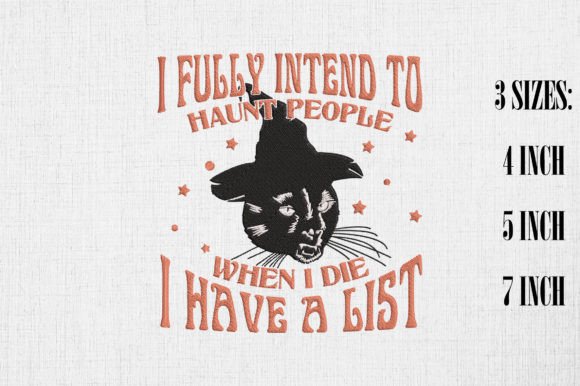
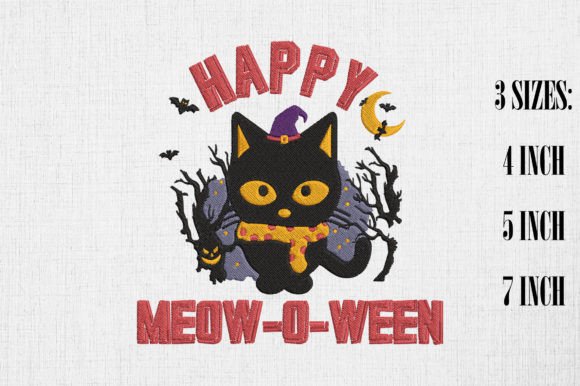
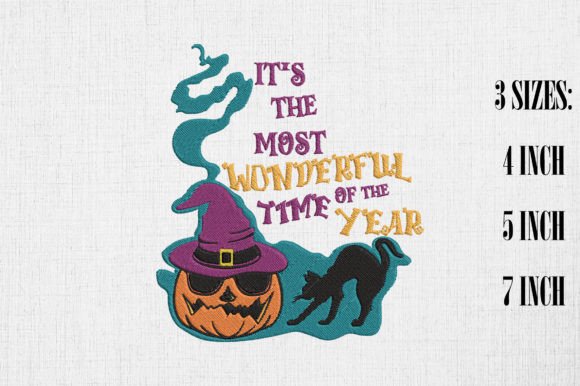
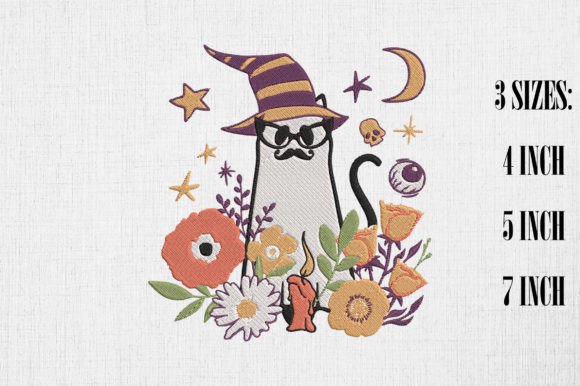
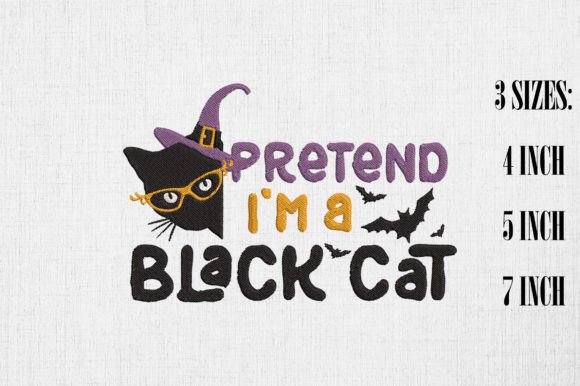
When you are sifting through digital embroidery files for your next collection, you often find designs that look great on screen but fail in the hoop. I recently evaluated Pretend I m a Black Cat with a critical eye, not just as a seasonal novelty, but as a potential staple for my own commercial projects and client work. As someone who has stitched thousands of items for Etsy shops and boutique brands, my first impression of this design was its immediate personality. It captures a specific mood—playful, slightly mischievous, and undeniably cute—that translates well into physical form.
The concept is simple, yet effective. The typography combined with the silhouette creates a visual hook that stops a browser from scrolling. For an embroidery project intended for real-world use, this kind of character-driven design is gold. It feels like it belongs on a custom sweatshirt or a nursery wall hanging rather than a generic promotional item. The layout suggests a balance between text and image that usually requires careful digitizing to avoid looking cluttered. In this case, the spacing feels intentional, allowing the stitches to breathe without losing impact.
Real-World Application: From Screen to Stitch
Let me walk you through a scenario where I imagine using Pretend I m a Black Cat. I am preparing a batch of custom tote bags for a local craft fair. These aren't just plain canvas; they are heavy-duty cotton blends meant to hold books and art supplies. My goal is to create a product line that appeals to cat lovers and Halloween enthusiasts alike. This design fits perfectly into that niche.
Imagine stitching this onto the front pocket of a canvas tote. The contrast between the dark thread and the natural fabric would make the cat pop immediately. It transforms a standard accessory into a statement piece. However, I also see potential here for baby clothes. A onesie featuring this motif could be a hit for parents who want something unique for their little ones. The design is versatile enough to serve as a tote bag design, a sweatshirt embroidery, or even a small detail on a patch for a denim jacket.
For small business owners and Etsy sellers, the value lies in this versatility. You can create a cohesive brand identity by using this motif across different products. Picture a matching set: a pillow cover for the living room, a kitchen towel for the chef in the family, and a cap for the streetwear enthusiast. The design acts as a unifying element that ties these disparate items together under a single aesthetic. When customers see consistency in your handmade product line, trust increases, and so does engagement.
Technical Considerations for Commercial Success
While the visual appeal is strong, a professional review must address the technical execution. The success of any machine embroidery design hinges on how it interacts with the fabric and the machine settings. Before running a full production run, I always recommend testing the design on scrap fabric. This step is non-negotiable if you are selling finished goods.
Pretend I m a Black Cat likely contains a mix of stitch types. The lettering will probably rely on satin stitch for a clean, bold look, while the cat silhouette might utilize fill stitch to give it volume. If the fill density is too high, the fabric could pucker, especially on lightweight materials like thin cotton tees or sheer scarves. Conversely, if the density is too low, the design might look sparse and cheap. Checking the stitch density before finalizing your order is crucial for maintaining a professional appearance.
Another critical factor is the stabilizer. For a design like this, which likely includes fine details in the cat's features, using the correct stabilizer is vital. If you are embroidering on a stretchy fabric like a jersey knit t-shirt, you need a cut-away stabilizer to prevent distortion during wear and washing. For home decor items like pillow covers or tea towels, a tear-away might suffice, but only after confirming the fabric weight. Without proper stabilization, even the best embroidery file can result in a warped mess that no amount of ironing can fix.
Where Caution is Required
Not every surface is suitable for every design. While Pretend I m a Black Cat is adaptable, there are specific scenarios where it might struggle. Small hoop sizes can sometimes cut off intricate details at the corners of the design. If you plan to place this on a small embroidered patch or a tiny baby bib, you must verify that the smallest elements remain legible after stitching.
Fabric texture plays a significant role as well. On highly textured fabrics like chunky knits or bouclé, the definition of the design may get lost. The stitches might not lay flat against the uneven surface, leading to a fuzzy outline that lacks the crispness seen in digital mockups. Similarly, working with dark fabric requires careful selection of thread colors. If the design relies on light threads for highlights, ensure they have enough coverage to stand out against a black background. Sometimes, a white underlay or a specific thread choice is needed to achieve the desired effect.
Curved surfaces like caps present another challenge. Embroidering a rectangular or square design onto a curved brim or crown requires precise placement and potentially a specialized hoop. If the design is too large or dense, it may not conform well to the curve, causing tension issues. For these applications, I advise checking the recommended hoop size and ensuring the design is centered correctly relative to the curvature of the garment.
Maximizing Value and Customer Trust
In the world of craft business and small shop product sales, the quality of the finish speaks volumes about your brand. A well-executed embroidery project builds customer trust. When a buyer receives a personalized gift or a custom apparel item, they expect precision. If the Pretend I m a Black Cat design comes out with skipped stitches, loose threads, or poor alignment, it reflects poorly on your craftsmanship.
To ensure high standards, I suggest creating printable mockups before committing to production. This allows you to visualize how the design looks on various backgrounds and helps you spot potential issues early. Comparing light and dark fabric backgrounds in your mockups can reveal whether the thread colors chosen will provide enough contrast. Additionally, inspecting small details in black and white mockups can help you assess the clarity of the shapes without the distraction of color.
For those planning to sell finished items, licensing is a paramount concern. Always confirm whether the digital embroidery file allows for commercial use. Some designers restrict the number of units you can sell or require a specific license for resale. Ignoring these terms can lead to legal trouble and damage your reputation as a responsible entrepreneur. If the terms are unclear, reach out to the creator before listing your products on platforms like Etsy or at craft fairs.
Final Thoughts on Design Potential
Ultimately, Pretend I m a Black Cat offers a charming option for anyone looking to add a touch of whimsy to their embroidery repertoire. Whether you are creating holiday gifts, wedding favors, or boutique branding assets, this design has the potential to elevate your offerings. It strikes a balance between being trendy and timeless, making it a smart investment for your creative toolkit.
By approaching this design with a focus on technical preparation—testing on scraps, choosing the right stabilizer, and verifying licensing—you can ensure that the final product meets professional standards. The effort you put into the setup pays off in the form of satisfied customers and repeat business. As a designer, my advice is to treat every embroidery file as a partnership between your creativity and your technical skill. With the right approach, Pretend I m a Black Cat can become a standout piece in your portfolio, ready to bring joy to cat lovers everywhere.