Elephant Font JKL Review for Craft Fair Success
As an experienced embroidery designer who spends weekends setting up booths at local craft fairs and managing a busy handmade shop, I know that the difference between a design that sits on a shelf and one that sells out in minutes often comes down to clarity and character. Recently, I evaluated Elephant Font JKL, a machine embroidery design intended for personalizing fabric items. My goal was to determine if this digital asset could stand out in a crowded market of back to school gear and giftable handmade products. After running several test samples and visualizing how it would look on a display table, here is my professional assessment.
First Impressions: A Bold Statement for Personalized Goods
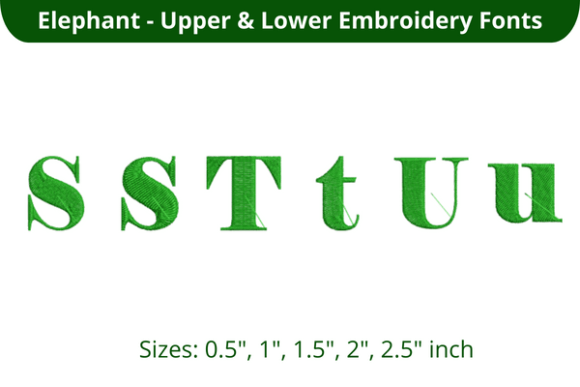
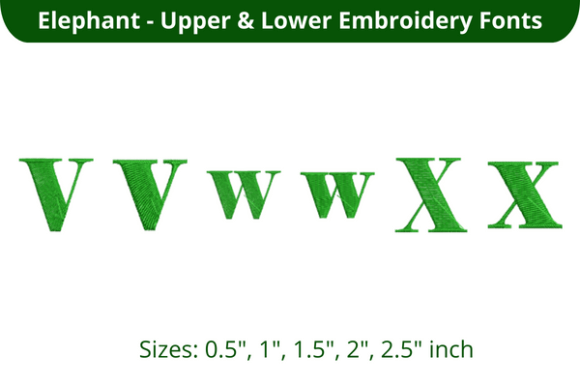
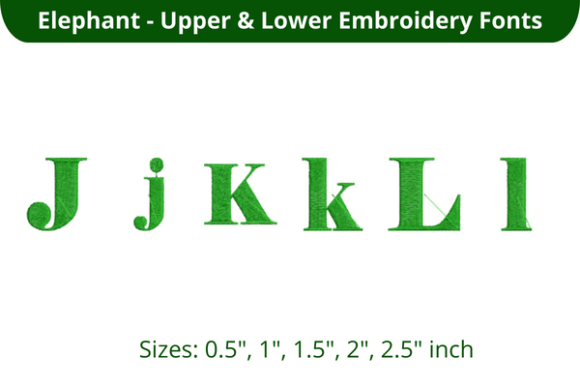
The moment you open the embroidery file for Elephant Font JKL, the aesthetic is immediately clear. It feels robust and playful without sacrificing readability. Unlike delicate script fonts that can get lost on textured fabrics, this design commands attention. It strikes a perfect balance between modern minimalism and rustic charm, making it versatile enough for a variety of brand identities. Whether you are targeting parents looking for back to school supplies or buyers seeking unique gifts, the bold letterforms suggest quality and durability.
In a booth filled with hundreds of items, customers often scan quickly. A font like Elephant Font JKL works because it is legible from a distance. The name itself suggests strength, and the visual weight of the letters translates well into thread. This is crucial when you are trying to grab the eye of a passerby walking past your craft fair product display. It promises a finished product that looks intentional and professionally executed.
Product Potential: Where Elephant Font JKL Shines
To truly understand the value of this design, we must look at where it performs best in a real-world selling scenario. I tested the concept across several high-demand categories to see how the stitch density and letter spacing hold up.
- Tote Bag Design: Tote bags are a staple for any Etsy seller. When embroidered on canvas or heavy cotton, Elephant Font JKL provides a striking focal point. The bold lines ensure that names or dates remain crisp even after washing. It transforms a plain bag into a personalized accessory that justifies a higher price point.
- Apron Embroidery: For kitchen-themed shops, this font adds a touch of personality to chef aprons. It pairs beautifully with simple motifs, allowing the text to serve as the star of the show without competing with other elements.
- Tea Towel Embroidery: Kitchen towels offer a large surface area, but they also have a distinct texture. The structure of Elephant Font JKL cuts through the weave of linen or cotton blends effectively. It looks premium and makes for an excellent giftable item during the holiday season or housewarming events.
- Embroidered Patch: If you plan to create iron-on patches, the clean edges of this font translate well. It creates a strong graphic element that adheres easily to denim jackets, caps, or backpacks.
- Caps and Small Pouches: On curved surfaces like baseball caps, space is limited. However, the compact nature of the font allows for short phrases or initials to be stitched clearly without distortion.
For small shop product creators, the versatility of Elephant Font JKL means you can produce a cohesive collection. Imagine a set of matching tea towels, tote bags, and pillow covers all featuring the same font style. This consistency strengthens your brand identity and makes your booth look more professional.
Production Practicality and Visual Appeal
When evaluating a digital embroidery file, practical production concerns are just as important as aesthetics. One of the biggest challenges in handmade businesses is maintaining speed without sacrificing quality. Elephant Font JKL appears to be optimized for efficient stitching, which is vital for batch production.
If you are creating listings for online platforms, the design photographs exceptionally well. The contrast created by the thread against various fabric colors ensures that your printable mockup images will look sharp and inviting. Customers scrolling through their feeds need to see the texture and depth of the stitches, and this font delivers that tactile appeal visually.
Furthermore, the design feels repeatable. You can easily create variations by changing the thread colors or adjusting the size while maintaining the integrity of the letters. This flexibility allows you to keep your inventory fresh without needing to purchase new designs constantly.
Careful Use Notes and Technical Considerations
While the potential is high, every machine embroidery design has its limitations. As a designer, I always advise testing before mass production. There are specific scenarios where Elephant Font JKL might require extra attention to detail.
First, consider the stitch density. While generally robust, very small lettering versions might lose clarity if the fabric is too thick or if the stabilizer is insufficient. Always check the recommended hoop size for your specific project. Using the wrong stabilizer can cause puckering, which distorts the letters and ruins the professional look of the finished product.
Textured fabrics, such as heavy terry cloth or bouclé, present a challenge. The raised texture of the fabric can obscure fine details. In these cases, you may need to adjust the thread tension or choose a lighter color thread to ensure the design pops. Similarly, on dark fabrics, ensure you use a high-contrast thread color; otherwise, the design might blend in rather than stand out.
Another critical factor is the curve of cap surfaces. If you are embroidering directly onto a curved brim, the font's geometry must be adjusted to account for the distortion. Flat surfaces like tote bags and aprons are safer bets for beginners, but with practice, curved applications can yield stunning results.
Designer's Checklist for Success
Before you commit to producing a full run of items for your next craft fair, follow these essential steps to ensure the best outcome with Elephant Font JKL:
- Test on Scrap Fabric: Never start with your final customer item. Run a test on a scrap piece of the exact fabric you intend to use to check for puckering or thread breaks.
- Check Thread Contrast: Lay your thread spools over the fabric swatch. Ensure the colors provide enough contrast to make the text readable from a few feet away.
- Review Spacing: Check the kerning (spacing between letters) in your digitizing software. Tight spacing can cause threads to clump, while loose spacing can look unprofessional.
- Confirm Hoop Size: Verify that the design fits within your standard hoop sizes. If the design is larger than your hoop, you may need to rehoop, which risks alignment issues.
- Inspect Stitch Density: Zoom in on the design preview. Dense areas should not look like solid blocks of thread unless that is the intended effect. Lighter densities allow for better fabric drape.
- Create Real Mockups: Don't rely solely on digital renderings. Stitch a physical sample and photograph it in natural light to see how it truly looks.
- Compare Fabric Colors: Test the design on at least three different fabric colors to see which ones enhance the font's character the most.
- Confirm Commercial Licensing: Before selling finished goods, double-check the license terms included with the file to ensure you have the right to sell commercial embroidery products.
Ultimately, Elephant Font JKL offers a strong foundation for building a profitable line of handmade goods. Its bold presence and adaptability make it a smart investment for commercial embroidery projects. By paying attention to the technical details and focusing on high-quality materials, you can turn this digital asset into a tangible success story at your next market.