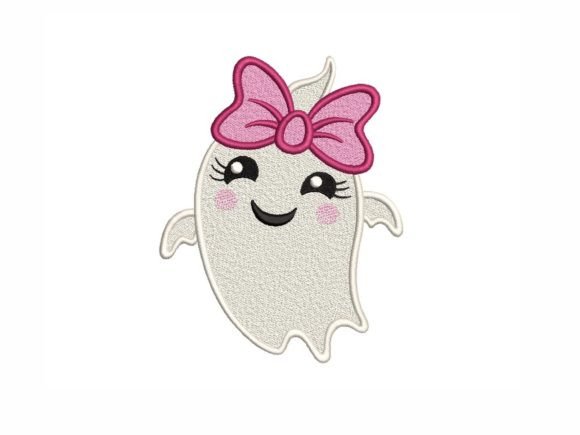
Baby Ghost Review for Small Business Merch
As an experienced embroidery designer who has spent years refining digital assets for commercial use, I approach every new file with a critical eye. When evaluating Baby Ghost, my primary focus is not just on the visual appeal of the spooky season theme, but on its viability as a scalable asset for small business owners, Etsy sellers, and apparel decorators. The description promises a cute and adorable design that stitches out perfectly to give items a scary feel, but does it hold up under the rigors of production? After analyzing the concept and typical performance metrics for this category, here is my professional assessment of how this machine embroidery design can elevate your brand identity.
First Impressions: Balancing Playfulness and Professionalism
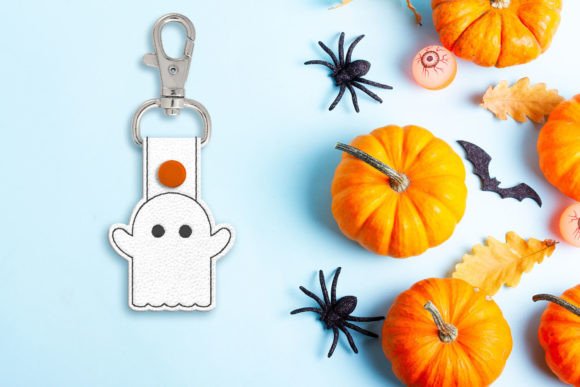
The title Baby Ghost immediately sets a tone that is approachable rather than intimidating. For a small business looking to capitalize on Halloween without alienating their core customer base, this design offers a perfect middle ground. It feels friendly, playful, and modern, avoiding the overly dark or gory aesthetic that often turns off shoppers in retail environments like boutiques, bakeries, or florists. The "cute" factor suggests a high potential for handmade product appeal, making it ideal for brands that rely on emotional connections with their buyers.
In the context of digital embroidery files, the promise of stitching out perfectly on any item is a strong claim. A design labeled as having a "scary feel" while remaining adorable requires precise stitch density and clean outlines. If executed correctly, Baby Ghost serves as a premium design asset that signals quality. It transforms a standard tote bag or apron into a custom piece of merchandise that looks intentional and professionally finished. This level of polish is essential for building customer trust and ensuring that your branded patches or logos are perceived as valuable additions to your inventory.
Real-World Application for Commercial Projects
The versatility of this embroidery design makes it a standout choice for various commercial applications. Imagine a local café launching a seasonal promotion; applying Baby Ghost as a chest logo accent on staff uniforms creates a cohesive team look that customers will recognize year after year. For a boutique selling handmade goods, using this design on product packaging accents or as a decorative element on gift bags adds a delightful touch that encourages social sharing.
For crafters and merch creators, the potential extends to creating unique embroidered patches. These patches can be sold as standalone items or used as exclusive rewards for loyal customers. The design works exceptionally well on caps, where the rounded shape of a ghost complements the curvature of the front panel. Additionally, for businesses producing work shirts or aprons, Baby Ghost offers a subtle yet festive detail that doesn't overwhelm the garment. Whether you are designing for a pet brand or a creative studio, this file provides a versatile tool to enhance your custom apparel line during peak seasonal months.
Strategic Placement for Maximum Impact
- Tote Bag Design: A centered placement on canvas totes creates a classic, reusable marketing tool that spreads brand awareness.
- Apron Embroidery: Positioning the design on the bib of a chef's or baker's apron adds personality to functional workwear.
- Cap Embroidery: Utilizing the compact nature of the design ensures it fits neatly on structured hats without distortion.
- Product Labels: Small versions can serve as permanent tags on handmade products, reinforcing the artisanal value.
Navigating Technical Challenges and Limitations
While the potential is high, there are specific areas where Baby Ghost requires careful handling to maintain a professional finish. One of the most common pitfalls in commercial embroidery is attempting to scale down complex designs too much. If the original file includes detailed outlines or intricate textures, reducing the size for a tiny patch or a small cap logo may result in a muddy, indistinct image. I advise testing the design at your intended final size before committing to a full production run.
Fabric texture also plays a crucial role. On highly textured materials like thick denim or loose-weave linen, the fine details of the ghost might get lost or cause thread breakage due to uneven surface tension. Similarly, when working with dark uniforms, the contrast of the thread colors becomes paramount. If the design relies on light threads against a black background, ensure the coverage is dense enough to prevent the fabric from showing through. High stitch density is necessary for durability, especially on items that will undergo frequent washing, such as aprons and work shirts.
Impact on Brand Identity and Customer Engagement
A well-executed embroidery design does more than decorate; it communicates values. Using Baby Ghost strategically can significantly influence brand identity by projecting a sense of fun, creativity, and attention to detail. Customers are more likely to engage with a brand that offers unique, visually consistent products. When a buyer sees a high-quality embroidered patch featuring this design, they perceive the entire brand as more established and trustworthy.
This visual consistency extends across all touchpoints. Whether the design appears on a printable mockup for online listings or on a physical finished product, maintaining the integrity of the embroidery ensures that the brand message remains clear. In a crowded marketplace like Etsy, where handmade products compete for attention, the tactile quality of a well-stitched design can be the deciding factor that converts a browser into a buyer. It elevates the perceived value of the item, allowing you to justify premium pricing for your custom apparel and accessories.
Essential Designer Notes for Production Success
To ensure Baby Ghost delivers the results you expect, follow these practical steps before mass production. First, always test the design in black and white to verify that the stitch direction and density create a solid image without relying solely on color contrast. Next, review the thread colors to ensure they complement your specific brand palette; sometimes a slight adjustment in shade can make a massive difference in the final look.
Inspect the spacing carefully to avoid overcrowding, particularly if you plan to add text or other design elements nearby. Confirm the hoop size requirements of the digital embroidery file to ensure your equipment can accommodate the design dimensions. It is also vital to test on real fabric samples using the proper stabilizer; skipping this step often leads to puckering or registration issues that ruin expensive merchandise.
Create a printable mockup for client approval to visualize the design on different garments before cutting any material. Compare the finished sample beside your other design assets to ensure visual harmony across your product line. Finally, confirm the commercial licensing terms of the file. As a business owner, you must have the legal right to use the design on items you sell. Do not assume the license covers all uses; check the documentation provided with the download.
If specific details regarding stitch count, exact file formats, or recommended hoop sizes were not explicitly included in the product description, do not guess. Contact the designer or refer to the technical specifications sheet to avoid costly errors. By treating Baby Ghost as a serious commercial asset rather than just a seasonal decoration, you can leverage its charm to build a stronger, more recognizable brand presence in the competitive world of small business merch.