Yellow Butterfly Embroidery Design Review
As a designer who spends half my life staring at stitch density charts and the other half trying to make handmade goods look professional on Etsy, I don’t just buy embroidery files because they look cute in a preview window. I buy them because they work when the hoop is up, the tension is set, and the client is waiting. That is exactly how I approached reviewing the Yellow Butterfly design. This isn't just another bug motif; it is a specific visual asset that needs to earn its place in your digital library before you commit it to fabric.
The category here is Bugs, but let’s be honest: most people aren’t looking for an insect. They are looking for a symbol of transformation, spring, or delicate beauty. The Yellow Butterfly file bridges that gap perfectly. It takes a natural subject and renders it in a way that feels intentional for machine embroidery rather than just a literal representation of nature. When I first loaded the file into my digitizing software, my immediate reaction was about the color palette potential. Yellow is a high-visibility color, which means it demands respect from the rest of your thread choices and fabric selection. If you get this wrong, the design can look cheap. If you get it right, it becomes a standout piece for any handmade product.
First Impressions and Visual Personality
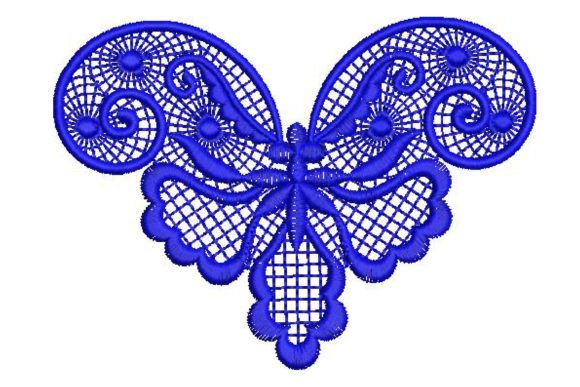
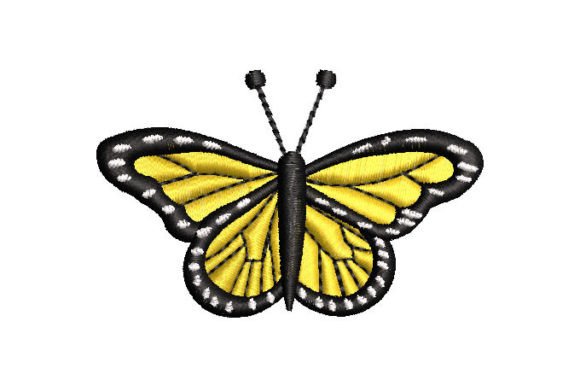
The mood of the Yellow Butterfly design is undeniably cheerful, yet it carries a certain elegance that prevents it from feeling childish. In my experience, butterfly designs often fall into two camps: overly complex with too much detail that gets lost in the stitching, or so simple they look like clip art. This design seems to strike a balance. The wings appear to have enough definition to show texture without requiring such fine satin stitch work that it risks puckering thin fabrics.
Visually, the layout feels open and breathable. This is crucial for embroidery project success. A cluttered design fights against the fabric, while this one seems designed to sit comfortably on the surface. It suggests a lightness that works exceptionally well for baby embroidery items, nursery decor, or spring-themed apparel. The shape itself is recognizable and iconic, which is vital for brand consistency if you are an Etsy seller building a recognizable aesthetic. Customers scroll quickly; a clear, distinct silhouette like this butterfly helps your listing stop the scroll.
Real-World Application: From Screen to Stitch
Let’s talk about where this design actually shines in a commercial or personal context. I recently imagined using the Yellow Butterfly for a custom embroidered tote bag design intended for a local farmers market vendor. The goal was to create something that felt fresh and seasonal. Because yellow contrasts beautifully against canvas, denim, or even soft pastel cottons, this design would pop immediately. The fill stitch areas on the wings would likely provide a nice tactile quality, inviting customers to touch the finished product—a key factor in driving sales for physical goods.
However, the versatility of this machine embroidery design extends far beyond bags. I see strong potential for sweatshirt embroidery, particularly on heather grey or navy blue hoodies. The yellow acts as a bright accent that breaks up darker tones effectively. For personalized gift markets, consider placing this on the chest area of a sweatshirt or centered on the back of a kitchen towel. It fits the "cozy home" trend perfectly. Additionally, for those selling digital product previews or printable mockups, this design offers high visual appeal because of its bright, optimistic color scheme.
Another practical use case is creating an embroidered patch. The clean lines of the butterfly make it suitable for edge-to-edge applique or tight satin borders. These patches can then be sold as accessories for backpacks, caps, or hats. The design’s simplicity allows it to scale well, meaning it should hold up visually whether it is 3 inches wide on a cap or 6 inches wide on a pillow cover.
Where to Exercise Caution
No design is universal, and the Yellow Butterfly has specific constraints that every craft business owner must understand. First, consider the fabric texture. While the description states it works with "any type of fabric," experienced designers know that textured fabrics like bouclé or heavy tweed can obscure the details of smaller stitches. On such materials, the fine lines of the butterfly’s veins might disappear, leaving a muddy blob. Always test on scrap fabric first to ensure the stitch density translates correctly through the weave.
Stretchy fabrics present another challenge. If you plan to use this on t-shirts or leggings, you need a robust stabilizer. Without proper support, the running stitch outlines might pucker, distorting the symmetry of the wings. Similarly, dark fabrics require careful thread selection. Standard yellow thread can sometimes look washed out or neon against black unless you choose a muted, golden yellow tone. Conversely, on very light fabrics, ensure there is enough contrast between the background and the yellow to maintain legibility.
I also advise caution when shrinking this design for tiny lettering accents or small decorative patches. Small hoops often struggle with complex shapes, leading to thread breaks or misaligned jumps. If you are scaling down the embroidery file, inspect the small details closely. Are the wing tips too sharp? Will they snag? It is better to keep the design at a size where its personality remains intact.
Practical Designer Notes for Success
To ensure the Yellow Butterfly delivers professional results, follow these practical steps before starting your production run. First, check the thread colors carefully. The preview might show a vibrant lemon, but your actual spools may vary. Test the combination against your chosen fabric under natural lighting. Digital screens can lie; fabric reflects light differently.
Next, review the stitch structure. Look for areas of high stitch density that might cause needle breakage or excessive heat buildup. If the design uses dense fill stitches, consider adding a cut-away stabilizer for durability, especially for items that will undergo frequent washing, like baby clothes or aprons. Also, confirm whether the design includes jump stitches that need trimming. Clean finishes are what separate amateur projects from boutique-quality merchandise.
Finally, verify the licensing terms. As a commercial embroidery asset, you need to know if you are allowed to sell the finished products. Some digital embroidery files come with restrictions on the number of units you can produce. Clarifying this upfront protects your small shop product business from legal issues. Additionally, test the design in a black-and-white mockup. This helps you evaluate the composition and balance of the design independent of color, ensuring the shape itself is strong and appealing.
In conclusion, the Yellow Butterfly is a versatile, cheerful addition to any embroiderer’s toolkit. It works beautifully for custom apparel, gifts, and home decor, provided you respect its limitations regarding fabric choice and stabilization. By treating it with the same scrutiny you would apply to any high-value design asset, you can create finished products that resonate with customers and elevate your brand’s perceived value. It is a simple concept executed with enough grace to make it a reliable workhorse for your creative projects.