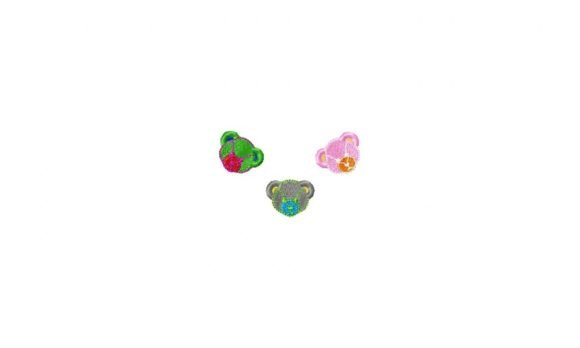
Three Face Bear Review for Boutique Apparel
As an experienced embroidery designer who spends countless hours curating designs for boutique collections, I am always looking for that perfect balance between whimsical charm and professional execution. When I first encountered the Three Face Bear design on Creative Fabrica, it immediately caught my eye as a potential standout piece for a new seasonal apparel line. This isn't just another generic clipart; it is a machine embroidery design with a distinct visual personality that begs to be translated into thread.
In this review, I will walk through my thought process as a designer planning a collection of sweatshirts, hoodies, and custom accessories. We will explore how this specific embroidery file fits into the world of handmade products, what makes it suitable for a boutique brand, and where you might need to exercise caution during production.
First Impressions: Mood and Visual Personality
The moment you look at the Three Face Bear, you are greeted by a design that feels both playful and slightly mysterious. The concept of three faces suggests depth, storytelling, or perhaps a chameleon-like adaptability, which adds a layer of intrigue beyond a standard teddy bear motif. For a creative entrepreneur, this kind of unique character is gold. It offers more than just "cute"; it offers a narrative hook that can drive customer engagement on social media graphics or Etsy listings.
The stitch density appears robust enough to hold its shape on thicker fabrics like fleece, yet detailed enough to retain its charm on lighter cotton tees. It strikes a mood that is casual but polished. It feels premium without being overly formal, making it ideal for the modern streetwear aesthetic or cozy, rustic home decor. Whether you are aiming for a feminine touch or a bold statement piece, this design has the versatility to pivot depending on your thread color choices.
Applying Three Face Bear to Sweatshirt and Hoodie Collections
If I were launching a small shop product line focused on comfort wear, the sweatshirt embroidery capabilities of this design would be my primary focus. Imagine placing the Three Face Bear on the left chest of a heather grey hoodie. The contrast against the neutral fabric would make the design pop while maintaining a subtle, sophisticated vibe that appeals to the everyday consumer.
For a bolder approach, consider using this as a back design on oversized garments. A large-scale placement of the three-faced motif could become the signature element of a collection, instantly recognizable in lifestyle product photos. On dark apparel, selecting high-contrast thread colors would be essential to ensure the details aren't lost in the fabric texture. Conversely, on pastel hoodies, a tonal stitching approach could create a soft, dreamy effect that resonates with buyers looking for gentle, comforting aesthetics.
I also see great potential for sleeve accents. A smaller version of the design embroidered near the cuff could serve as a delightful surprise detail, adding value to the finished product without overwhelming the wearer. This kind of thoughtful design placement often leads to higher perceived value and stronger brand identity.
Expanding Beyond Clothing: Totes and Accessories
While apparel is a major draw, the description notes that this design works well on various materials. For an Etsy seller looking to diversify their inventory, the Three Face Bear is perfect for tote bags and denim jackets. Embroidering this onto a canvas tote creates a durable, reusable accessory that customers love to carry around, effectively turning them into walking billboards for your brand. On a denim jacket, the rugged texture of the fabric pairs beautifully with the intricate nature of the embroidery, creating a vintage-inspired look that is currently very trendy.
Strategic Considerations for Production
Even the most beautiful digital embroidery file requires careful handling to ensure the final result matches the vision. As a professional reviewing this for commercial use, there are specific areas where attention to detail is non-negotiable.
- Fabric Texture and Stability: Fleece and ribbed fabrics can be tricky. The stretchiness of these materials means that if the stabilizer choice is incorrect, the design may pucker or distort over time. You must test on scrap fabric to confirm the hoop size and stabilizer type before committing to a full production run.
- Dense Stitch Areas: While the design looks detailed, dense stitch areas on small chest placements can sometimes feel stiff or heavy on lightweight t-shirts. It is crucial to inspect the stitch density and potentially adjust the underlay settings to ensure the design lies flat.
- Dark Garments: When working with dark garments, thread color selection becomes critical. Light threads may not show up clearly against black or navy backgrounds unless a high-quality white underlay is used. Always check the thread colors available in your library to ensure they complement the garment.
- Curved Surfaces: Embroidering on curved surfaces like the shoulders of a hoodie or the rounded body of a hat requires precision. If the design is too wide, it may not sit correctly on the curve, leading to a misaligned appearance.
Building Brand Identity and Customer Trust
Using a high-quality embroidery file like the Three Face Bear directly impacts buyer trust. In the world of custom apparel, customers expect a level of professionalism that distinguishes a handmade product from mass-produced items. A clean, crisp stitch job with consistent thread tension signals that you care about quality.
When your finished product looks polished, it enhances your boutique brand's reputation. Customers are more likely to return and recommend your shop if the visual consistency of your items is high. Furthermore, a unique design like this helps with product recognition. Instead of selling generic bear motifs, you are offering something specific and memorable that stands out in a crowded marketplace.
Practical Designer Notes for Success
Before you start digitizing your next project with this design, here are a few essential steps to follow:
- Test on Scrap Fabric: Never skip this step. Run a test on the same fabric you plan to use for your final product to check for puckering or thread breaks.
- Review File Details: Ensure you have confirmed the hoop size requirements and machine compatibility listed in the Creative Fabrica product details. Different machines handle files differently.
- Licensing Check: Always verify the licensing terms before selling finished apparel. Understanding whether you have commercial rights is vital for protecting your business.
- Create Mockups: Use printable mockups to visualize how the Three Face Bear will look on different garments before you even cut the fabric. This helps in planning your marketing strategy for social media graphics.
Final Thoughts on Design Potential
The Three Face Bear is a versatile asset for any creative entrepreneur looking to elevate their embroidery projects. Its blend of whimsical character and structural integrity makes it suitable for everything from cozy winter outfits to trendy summer accessories. By paying attention to stabilizer choices, thread contrasts, and placement strategies, you can transform this digital file into a tangible, high-value finished product.
Whether you are building a small clothing brand or simply expanding your offerings as a digital seller, this design offers a solid foundation for creativity. It invites experimentation and allows you to tell a story through your craft. With the right execution, the Three Face Bear can become a signature element in your portfolio, helping you connect with customers who appreciate unique, handcrafted details.
Remember, the success of a commercial embroidery project lies not just in the design itself, but in the care taken during the production process. Take your time, test thoroughly, and let the Three Face Bear bring a touch of magic to your next sewing project.