My Little Pumpkin: A Designer's Review for Personalized Gifts
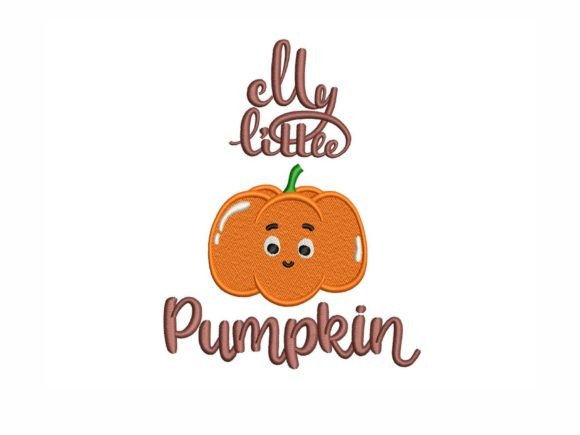
As an experienced embroidery designer, I am constantly testing new files to ensure they meet the high standards of my craft. Recently, I had the opportunity to review My Little Pumpkin, a machine embroidery design specifically categorized under Thanksgiving themes. My goal was not just to stitch it out, but to evaluate its potential as a core product for a personalized gift shop, an Etsy listing, or a custom order for a small business owner. The description promises "cute designs" and a "cozy look," which are essential keywords for seasonal products, but does the actual execution deliver on that promise? After running several test stitches, here is my honest assessment of how this design performs in real-world scenarios.
The First Impression: Charm and Emotional Appeal
When I first opened the file, the immediate feeling was one of warmth and playfulness. My Little Pumpkin strikes a perfect balance between sweet and seasonal. It avoids being overly complex or stiff, which is crucial for handmade products that need to feel organic. The design exudes a cozy vibe that fits perfectly into the autumn aesthetic without overwhelming the fabric. For a buyer looking for a meaningful gift, this emotional connection is often what drives the purchase decision. It feels like something a grandmother would make for a grandchild, yet modern enough for a trendy nursery.
The charm lies in its simplicity. It is not trying to be a masterpiece of technical complexity; instead, it aims to be adorable and inviting. This makes it highly versatile. Whether you are creating baby embroidery items or wedding keepsakes, the design carries a gentle sentiment that resonates with customers. It is ideal for those who want a product that looks handmade and thoughtful rather than mass-produced.
Versatility in Product Creation
The true value of My Little Pumpkin lies in its adaptability across various product categories. As a digital embroidery file, it can transform simple materials into high-value finished products. Here is how I see it performing in different applications:
- Baby Embroidery and Nursery Decor: This design is a natural fit for baby blankets and nursery pillows. The soft, rounded nature of the pumpkin motif creates a soothing atmosphere for a child's room. When stitched on light cotton muslin, it becomes a cherished baby shower gift.
- Kitchen and Home Textiles: Imagine this design on an embroidered towel or a kitchen apron. It adds a festive touch to holiday gatherings. The "cozy look" mentioned in the product description shines through when used on thick fabrics, making it a great addition to a family's Thanksgiving table setting.
- Wedding and Event Keepsakes: While primarily seasonal, the cute aesthetic works well for fall weddings. It could be used on guest book covers or as a detail on a bridesmaid's tote bag, offering a unique, personalized touch that guests will appreciate.
- Etsy Seller and Small Shop Products: For digital product sellers and craft fair vendors, this design offers excellent profit potential. It allows for quick turnaround times on custom orders, from custom tote bags to pillow covers. The design's appeal ensures high engagement in product photography, drawing buyers in with its inherent cuteness.
Strategic Considerations and Limitations
While My Little Pumpkin has many strengths, a professional must know where to exercise caution. Not every fabric or surface is suitable for this specific embroidery file. To maintain quality and customer trust, there are areas where this design requires careful handling.
First, consider the scale of the project. If the design includes small lettering or delicate details, using it on textured fabric or very thick towels might obscure the finer points. The thread colors may get lost in the weave, reducing the visual impact. Similarly, stretchy baby clothes require extra stabilization; if the stitch density is too high, the fabric might pucker, ruining the intended cute appearance.
Dark fabrics present another challenge. Without proper underlay or contrasting thread choices, the design might lack definition. Additionally, curved surfaces like hats or fitted garments can distort the stitching if the hoop size is not chosen correctly. Finally, for products that need frequent washing, such as aprons or daily-use towels, the durability of the stitches must be verified. If the design is too dense, it may become stiff and uncomfortable after multiple washes.
Impact on Giftability and Perceived Value
In the world of handmade products, perceived value is everything. A well-executed personalized gift tells a story before the recipient even speaks. My Little Pumpkin enhances the perceived value of your item by adding a layer of care and attention to detail. Customers buying from a small shop or an Etsy seller expect quality; seeing a clean, well-stitched design builds trust.
The emotional connection is further strengthened when the design is presented correctly. In product photography, the contrast between the thread colors and the fabric texture plays a massive role. A cozy, autumnal pumpkin on a soft blanket suggests comfort and love. This visual cue encourages buyer engagement and increases the likelihood of a sale. However, this relies heavily on the execution. If the stitch density is off or the stabilizer fails, the perceived value drops instantly.
Practical Embroidery Notes for Success
To ensure that My Little Pumpkin delivers the best results for your commercial embroidery projects, I recommend following these practical steps based on my testing experience:
- Test on Scrap Fabric: Always run a test stitch on a scrap piece of the same material you plan to use for the final product. This helps you gauge how the design interacts with the fabric texture.
- Check Thread Color Contrast: Ensure the thread colors pop against the background. Dark threads on dark fabric or light threads on light fabric can make the design invisible.
- Confirm Hoop Size: Verify that your hoop size accommodates the design dimensions without cutting off any elements. A tight hoop can also cause fabric distortion.
- Review Stitch Density: High-density designs can look muddy on thin fabrics. Adjust the settings if necessary to ensure clarity.
- Use Proper Stabilizer: Never skip the stabilizer. It is the backbone of a good stitch job. Use the appropriate type (cut-away, tear-away, or water-soluble) based on the fabric weight.
- Compare Light and Dark Mockups: Create digital mockups or physical samples on both light and dark fabrics to see how the design translates across different color palettes.
- Inspect Small Details: After stitching, zoom in on the smallest parts of the design to ensure no loose threads or gaps exist.
- Verify Commercial Licensing: Before selling finished products, double-check the license terms included with the digital embroidery file to ensure you are legally allowed to sell the items.
By paying attention to these details, you can turn My Little Pumpkin into a standout product for your shop. Whether you are creating baby gifts, wedding favors, or festive home decor, this design offers a wonderful opportunity to connect with customers through the art of embroidery. With careful planning and execution, it becomes more than just a pattern; it becomes a memory stitched in thread.