Healing Is Not Linear: A Designer's Honest Review
As an embroidery designer who spends countless hours refining stitches and selecting fabrics, I am always cautious about adding new digital assets to my commercial workflow. When I first encountered the Healing is Not Linear design on Creative Fabrica, I was immediately drawn to its message. In a world where mental health awareness is becoming increasingly central to our conversations, there is a genuine demand for designs that resonate emotionally while maintaining high-quality craftsmanship. This review explores whether this specific machine embroidery design is worth downloading for real-world projects, from custom apparel to boutique home decor.
The First Impression of Healing Is Not Linear
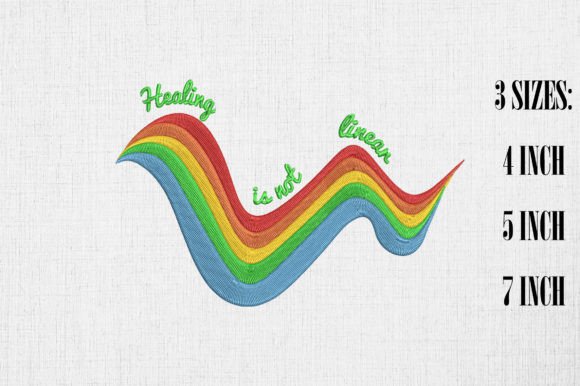
The visual mood of Healing is Not Linear strikes a balance between softness and strength. Unlike many generic text-only files, this design carries a personality that suggests movement and flow. For an experienced crafter, the initial look tells you how it will translate onto fabric. The typography appears clean, which is crucial for legibility in small hoop sizes or when applied to curved surfaces like caps. The decorative elements surrounding the text seem designed to complement rather than overwhelm, making it versatile enough for various Awareness-themed collections.
When considering the stitching personality, one can anticipate a mix of satin stitch for the lettering and potentially fill or running stitches for any accompanying graphics. The design feels ready to be transformed into a finished product that speaks directly to the wearer. It naturally fits projects aimed at comfort and connection, such as baby blankets, kitchen towels, or aprons where the maker wants to infuse a sense of empathy and support into everyday items.
Real-World Performance in Embroidery Work
I often test designs with the intention of fulfilling customer orders or creating inventory for craft fairs. Here is how Healing Is Not Linear might perform across different categories of handmade products.
- Custom Apparel: On sweatshirts and dresses, the design offers a professional finish. The text is likely to remain crisp, provided the correct stabilizer is used. It works well for boutique merchandise where a subtle yet meaningful statement is preferred over loud graphics.
- Home Decor: Imagine this design on a pillow cover or a set of kitchen towels. The aesthetic fits perfectly into nursery decor or modern living spaces. It elevates a simple textile item into a personalized gift that conveys a deep message of care.
- Accessories: For tote bag designs or embroidered patches, the file needs to hold up under frequent handling. If the design includes fine details, testing on scrap fabric is essential to ensure those tiny elements do not get lost during the stitching process.
- Digital Assets: Even if you are a digital product seller, having a high-quality embroidery file allows you to create printable mockups that accurately represent the final look. This helps Etsy sellers and creative entrepreneurs showcase their brand consistency before the physical item is even made.
Navigating Practical Embroidery Challenges
While the concept of Healing Is Not Linear is beautiful, the technical execution depends heavily on your setup. As a professional, I know that a great design file can fail if the practical conditions aren't met.
Hoop Size and Detail: If you plan to use this for small items like cap patches or baby onesies, you must verify the hoop size requirements listed on the Creative Fabrica product page. Tiny lettering can sometimes become illegible if the design is scaled down too much. Always check the stitch density; dense areas on stretchy fabric can cause puckering, ruining the drape of a t-shirt or dress.
Fabric Considerations: Working with textured fabrics or dark materials requires extra attention. On dark fabric, thread color contrast becomes critical. You may need to adjust the thread colors or add a top stabilizer to prevent the underlying fabric from showing through the stitches. Conversely, on light fabrics, the design should pop, but you must ensure the background doesn't get lost in the negative space.
Curved Surfaces: Embroidering on a curved cap surface presents unique challenges. The tension must be perfect to avoid distortion. If the design features layered details, they might shift if the stabilizer isn't adequate. For these applications, I recommend using a cutaway stabilizer to maintain the integrity of the embroidery file throughout the washing and wearing process.
Washability: For products that need frequent washing, such as aprons or baby blankets, the durability of the stitches matters. High-density fill stitches can sometimes trap lint or wear down faster than lighter running stitches. Inspect the small details after stitching to ensure they are secure before selling them as a handmade product.
Impact on Product Value and Brand Trust
In the competitive world of handmade goods, the quality of your embroidery directly influences buyer trust. A poorly executed design can make a brand look amateurish, whereas a precise application of Healing Is Not Linear signals professionalism.
When a customer sees a neatly stitched design on a tote bag or a beautifully finished pillow cover, they perceive higher value. This design has the potential to enhance product photography by providing a focal point that connects emotionally with the viewer. It transforms a standard item into a personalized gift that feels thoughtful and intentional.
For commercial embroidery businesses, consistency is key. Using a reliable design ensures that every unit leaving your shop looks the same. This reliability builds a reputation for quality, encouraging repeat customers and positive reviews. Furthermore, designs that address mental health topics like this one often generate higher engagement because they resonate with current cultural conversations.
Essential Steps Before You Start Stitching
Before committing to a full production run, there are several practical notes to keep in mind. First, always test on scrap fabric that matches your intended project material. This allows you to see how the threads interact with the weave and how the design behaves under tension.
Review the stitch density and confirm the hoop size listed in the file details. If the design includes multiple formats, choose the one that best suits your machine capabilities. Check the licensing terms on the Creative Fabrica product page carefully, especially if you intend to sell finished items commercially. Understanding the rules regarding commercial embroidery protects your business from legal issues.
Finally, inspect the finished product closely. Look for loose threads, skipped stitches, or any distortion in the text. Ensure the thread colors provide the necessary contrast against the fabric. By taking these precautions, you ensure that the embroidery design delivers on its promise of beauty and meaning.
Ultimately, Healing Is Not Linear represents more than just a pattern of stitches; it is a tool for expression. Whether you are decorating a sweatshirt for a friend or building a line of digital embroidery file assets for your store, this design offers a solid foundation for creating meaningful work. It is a worthy addition to your collection if you prioritize quality, clarity, and emotional resonance in your craft.