Flower on Grill: A Designer's Review for Craft Fair Success
As an experienced embroidery designer who spends countless hours at weekend craft fairs and handmade markets, I know that the difference between a product that sits on the table and one that sells out in an hour often comes down to the design itself. Today, I am reviewing Flower on Grill, a machine embroidery design from the Bouquets category, specifically through the lens of what works for high-volume production and customer appeal.
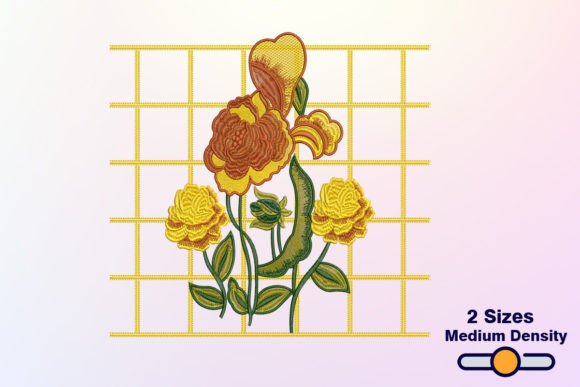
When you first see the title "Flower on Grill," your mind might immediately picture something rustic, perhaps a bit industrial or funny. However, looking at the description which promises a "quick and easy way to add a touch of personality," I suspect this design is more about charm than literal grit. In my experience, designs with a playful twist like this are goldmines for Etsy sellers and boutique makers because they tell a story instantly. This isn't just a generic floral; it implies a setting, a mood, and a sense of humor that customers love when browsing handmade goods.
First Impressions and Visual Appeal
The immediate question any designer asks is: does this design stand out? From the description, Flower on Grill sounds like it balances softness with a unique concept. If executed well, it should feel modern yet approachable. It likely hits that sweet spot of being decorative without being overly ornate. For a craft fair booth, visual impact is everything. Customers walk past hundreds of items, so the design needs to catch the eye from three feet away.
I imagine this design working beautifully as a focal point on lighter fabrics where the thread colors pop. The phrase "touch of personality" suggests it is not a heavy, dense block of stitches but rather a clever arrangement of elements. This makes it ideal for creating a cohesive collection. If you are selling small shop products, having a design that feels distinct but versatile allows you to create a brand identity that customers recognize immediately. Whether it leans towards farmhouse, cute, or elegant depends entirely on your thread choices, but the base structure seems flexible enough to adapt to various market trends.
Product Applications: Where Flower on Grill Shines
Let's talk about where this embroidery file will perform best in a real-world scenario. I have prepared many tables for markets, and certain products always sell better than others depending on the design complexity.
- Tote Bag Design: This is the bread and butter of the handmade market. A tote bag featuring Flower on Grill would be an instant hit. The flat canvas surface provides the perfect stage for the design to breathe. It photographs incredibly well for online listings, making it a staple for any digital embroidery file seller.
- Apron Embroidery: Kitchens are full of personality, and aprons are a high-demand item. This design adds a whimsical touch to a functional item. It transforms a standard kitchen tool into a giftable piece.
- Tea Towel Embroidery: Similar to aprons, tea towels are popular impulse buys. The design's simplicity likely translates well here, offering a clean look that doesn't overwhelm the fabric texture.
- Embroidered Patch: If the design has clean edges, it could be produced as an iron-on patch. Patches are excellent for adding value to caps, jackets, or bags, allowing you to sell the same asset in multiple formats.
- Fabric Pouches and Market Bags: Small pouches allow for a tighter stitch density and a more intimate viewing angle. This design could serve as a delightful accent on a cosmetic bag or a small gift pouch.
- Pillow Covers: For home decor, this design adds a splash of color. It is perfect for a seasonal display or a year-round decorative item that fits a modern aesthetic.
When photographing these items for printable mockups or Etsy listings, the contrast between the floral element and the "grill" concept (if visible) creates a narrative that helps drive sales. It gives the buyer a reason to imagine the item in their own life.
Production Practicality and Selling Strategy
For the commercial embroidery business owner, efficiency is key. The description notes this is a "quick and easy" design. This is a massive selling point for batch production. If you can produce these items rapidly without sacrificing quality, your profit margins improve significantly. You can churn out a set of matching aprons and towels faster than competitors using complex, multi-hoop designs.
However, we must be realistic about the execution. To ensure the Flower on Grill design looks premium, you need to pay attention to the technical details. How does it photograph? Does it hold its shape on curved surfaces like caps? These are critical questions. If the design is too large, it might get lost on a cap brim. If it is too small, the details might vanish. I recommend testing the design on scrap fabric to determine the optimal hoop size and placement.
Regarding thread colors, since the design is described as adding personality, I suggest experimenting with bold contrasts. A bright flower against a neutral background usually performs better than muted tones on busy market floors. The goal is to create a finished product that feels handmade and special, elevating the perceived value of the item.
Careful Use Notes and Technical Considerations
Before you rush to print 50 tags, there are specific areas where Flower on Grill might require extra care. Not all designs translate perfectly to every medium.
Dense Stitch Areas: If the design includes heavy shading or intricate petals, check the stitch density. Too much density can cause puckering, especially on thin fabrics like lightweight tees or sheer curtains. Always test on your actual production fabric.
Small Details and Tiny Lettering: If the design includes text or very fine lines, be cautious. On textured materials like thick terry cloth towels or burlap, tiny details can get lost. Ensure the resolution is high enough to maintain clarity. If the design loses definition at smaller sizes, consider scaling it up slightly for larger items like pillow covers.
Fabric Texture and Thickness: While this design works on many surfaces, extremely thick fabrics may require a heavier stabilizer to support the weight of the stitches. Conversely, delicate silks might require a water-soluble stabilizer to prevent damage. Understanding the fabric texture is crucial for maintaining the integrity of the machine embroidery design.
Dark Fabric Challenges: If you plan to embroider on dark colors, remember that the background fabric shows through unless you use a tear-away or cut-away underlay. This can affect the brightness of the thread colors, so test your contrast before committing to a full run.
Designer's Checklist for Success
To ensure your Flower on Grill products are ready for the market, follow this practical workflow:
- Test on Scrap: Never skip the test run. Use the exact fabric and stabilizer combination you plan to use for the final product.
- Check Thread Contrast: Ensure the threads pop against the fabric. Good lighting in your studio is essential for this step.
- Review Spacing: Make sure the design fits within your hoop limits and leaves enough margin for handling.
- Confirm Hoop Size: Verify that the design dimensions match your available hoop sizes to avoid mid-run errors.
- Inspect Stitch Density: Look for any areas where stitches might be too tight or too loose.
- Use the Right Stabilizer: Match the stabilizer type (cut-away vs. tear-away) to the fabric weight and intended use of the item.
- Create Real Mockups: Produce at least one physical sample to photograph. Digital images are good, but nothing sells a craft fair product like seeing the texture in person.
- Compare Fabric Colors: Test the design on white, black, and a few popular pastel shades to see how the design adapts.
- Confirm Commercial Licensing: Before selling finished products, double-check the license terms of the digital embroidery file to ensure you are permitted to resell the physical items.
In conclusion, Flower on Grill has the potential to be a standout addition to any craft fair product lineup. Its blend of personality and ease of production makes it suitable for both beginners and seasoned professionals. By paying attention to the nuances of fabric choice, stabilization, and presentation, you can turn this simple design into a high-value handmade product that customers will want to take home. Whether you are selling on Etsy or running a brick-and-mortar booth, this design offers a strong foundation for building a loyal customer base.