Deer Hunting Embroidery Design Review
As an embroidery designer who spends most of my day troubleshooting tension issues and optimizing stitch paths, I approach every new download with a healthy dose of skepticism. The market is flooded with generic clipart converted into .pes files, and too often, what looks good on a screen falls apart under the needle. Recently, I came across the Deer Hunting design on Creative Fabrica. It caught my eye not just for its subject matter, but because it promised to be a "quick and easy way to add a touch of personality" to various fabrics. But does it hold up in real-world production? Can it survive the rigors of a commercial order for a boutique customer?
I decided to put this machine embroidery design through its paces. Below is my honest evaluation of how this embroidery file performs when applied to actual handmade products, from tote bags to custom apparel.
First Impressions: Visual Mood and Detail
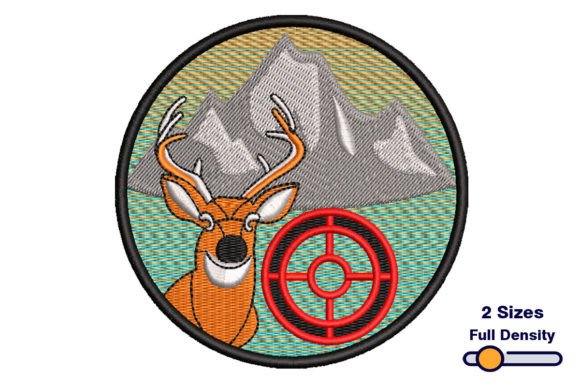
The first thing you notice about Deer Hunting is its visual mood. Unlike overly complex, cluttered designs that require hours of trimming, this piece strikes a balance between decorative appeal and practicality. It feels rustic yet refined, making it versatile enough for different aesthetics. Whether you are aiming for a cabin-chic vibe or a modern outdoor-themed nursery, the design has a natural fit.
In terms of detail level, the design relies heavily on clean lines and effective use of space. For designers worried about tiny lettering getting lost or dense stitch areas causing puckering, this design offers a refreshing alternative. It uses satin stitch elements effectively to create definition without overwhelming the fabric. The fill stitch areas appear balanced, suggesting that the digitizer understood how to distribute thread tension properly. This is crucial for maintaining the integrity of the finished product, especially when working with delicate materials.
Real-World Application: Where Does It Fit?
When I imagine using this embroidery file, several specific project types come to mind. It is not a one-size-fits-all solution, but rather a targeted asset for specific niches. Here is how I see it performing in actual production scenarios:
- Tote Bag Design: A canvas tote is a staple for craft fairs and Etsy sellers. The Deer Hunting motif works beautifully here, offering a statement piece that doesn't require excessive hoop time. It adds character to a simple bag, increasing its perceived value as a handmade product.
- Sweatshirt Embroidery: For cooler seasons, placing this design on a heavyweight cotton sweatshirt creates a cozy, inviting look. The design’s scale seems appropriate for a chest placement or a back yoke, provided the hoop size allows for it.
- Baby Items and Nursery Decor: There is a surprising tenderness to the deer theme. When adapted for baby blankets or pillow covers, the design can evoke warmth and safety. It serves as an excellent personalized gift for expectant parents, bridging the gap between rugged outdoors themes and soft nursery aesthetics.
- Kitchen Towels and Aprons: For home decor enthusiasts, this design fits well on flour sack towels or bistro aprons. It adds a touch of farmhouse charm to the kitchen, appealing to buyers who enjoy rustic home styling.
- Embroidered Patch: If the design includes a clean border or can be easily bordered, it translates well into an embroidered patch. Patches are highly popular for denim jackets and backpacks, offering a durable and stylish accessory.
Practical Considerations for Production
While the design looks promising, no professional embarks on a large order without considering the technical constraints. Here are some practical notes to keep in mind when integrating this digital embroidery file into your workflow.
Fabric and Stabilizer Compatibility
The success of any embroidery project often hinges on the substrate. Because Deer Hunting appears to have moderate detail, it will perform best on stable fabrics like cotton, linen, or canvas. If you plan to use this on stretchy fabrics like jersey knits for t-shirts, you must use a high-quality tear-away or cut-away stabilizer to prevent distortion. Testing on scrap fabric is non-negotiable; always check how the threads interact with the weave of your chosen material.
For dark fabrics, thread color contrast becomes critical. Ensure that the recommended thread colors provide enough visibility against the background. If the design relies on subtle shading, it might get lost on black or navy blue unless you use premium, high-sheen polyester threads.
Stitch Density and Hoop Size
One of the biggest risks in machine embroidery is excessive stitch density, which can lead to needle breakage or fabric damage. While I cannot verify the exact stitch count without opening the file, the visual representation suggests a moderate density. However, always review the stitch path in your embroidery software before running a full production batch. Confirm the hoop size requirements early on to ensure the design fits your machine’s capabilities and the dimensions of your product.
If the design includes small details, inspect them after stitching. Tiny elements can sometimes merge together if the tension is off or if the stabilizer shifts during the process. A quick trim and steam press can often correct minor imperfections, but prevention is key.
Licensing and Commercial Use
For those selling finished items, licensing is paramount. Always confirm the license terms on the Creative Fabrica product page. Some designs allow unlimited commercial use, while others may have restrictions on the number of units sold or require a specific subscription tier. Understanding these rules protects your business and ensures you are respecting the intellectual property of the creator.
Impact on Product Value and Branding
Using a well-executed design like Deer Hunting can significantly enhance your brand consistency. When customers receive a finished product that looks polished and intentional, their trust in your craftsmanship increases. High-quality embroidery signals attention to detail, which is essential for building a loyal customer base on platforms like Etsy or at local craft fairs.
Furthermore, this design is highly photogenic. In the age of social media marketing, your printable mockup and product photography need to stand out. A clean, well-centered embroidery design photographs beautifully, allowing you to highlight the texture and quality of the stitches. This visual appeal drives engagement and can lead to higher conversion rates for your listings.
Final Thoughts
The Deer Hunting design from Creative Fabrica appears to be a solid addition to any embroiderer’s library. It balances aesthetic appeal with practical usability, making it suitable for a wide range of projects from custom apparel to home decor. Its versatility allows it to fit into various niches, from outdoor-themed gifts to cozy nursery items.
However, as with any digital asset, due diligence is required. Test the design thoroughly, respect the licensing agreements, and always prioritize quality control in your finishing process. By doing so, you can leverage this machine embroidery design to create profitable, beautiful products that resonate with your customers. If you are looking for a reliable, visually pleasing design to expand your offerings, Deer Hunting is definitely worth considering.