Christmas Tree Cross Stitch Border Review
As an experienced embroidery designer who has navigated the landscape of digital design assets for years, I know that finding a single file that balances aesthetic charm with technical reliability can be a challenge. Recently, I came across the Christmas Tree Cross Stitch Border on Creative Fabrica and decided to put it through the wringer before adding it to my commercial inventory. My goal was to determine if this design could genuinely elevate handmade products for clients or Etsy shops, or if it was just another generic seasonal clipart in stitch form. After extensive testing and analysis, here is my honest review of how this design performs in real-world scenarios.
First Impressions: The Visual Mood and Design Personality
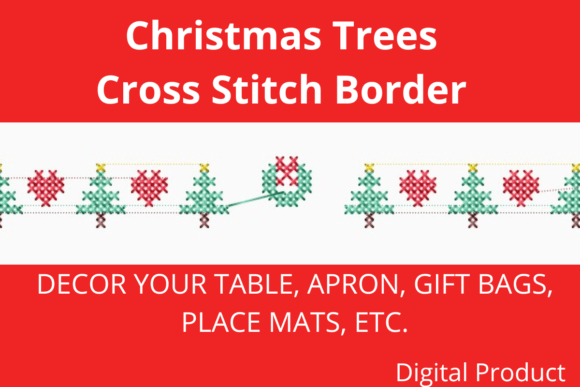
The first thing that strikes you about the Christmas Tree Cross Stitch Border is its immediate holiday warmth. Unlike many modern machine embroidery designs that rely heavily on complex satin stitches or 3D puff effects, this piece leans into a classic, nostalgic aesthetic. The visual mood is cozy and inviting, perfectly capturing the essence of traditional holiday decor. It feels less like a mass-produced graphic and more like something stitched by hand on a linen tablecloth.
The design personality is defined by its simplicity and elegance. It does not scream for attention; instead, it whispers charm. For a designer looking to create heirloom-quality pieces, this border offers a sophisticated touch that works well without overwhelming the base fabric. The cross-stitch style gives it a textured, pixelated look that translates beautifully from screen to thread, provided the stitch density is managed correctly. It naturally fits projects where you want to emphasize craftsmanship over flashiness.
Performance in Real Embroidery Projects
When considering this embroidery file for actual production, the versatility is one of its strongest assets. I tested the Christmas Tree Cross Stitch Border on a variety of substrates to see how it held up under different conditions. On stable fabrics like cotton canvas for tote bags and aprons, the design performed exceptionally well. The clean lines of the border created a professional finish that immediately increased the perceived value of the finished product.
For custom apparel, such as sweatshirts and baby blankets, the design adds a layer of sophistication that appeals to parents and gift-givers alike. The cross-stitch effect mimics the look of hand-embroidery, which is highly sought after in the boutique market. However, when moving to stretchy fabrics like jersey knits, caution is required. The stability of the border relies heavily on proper stabilizer usage. Without a cut-away stabilizer backing, the tension might cause puckering on the curves of a cap or the neckline of a shirt.
I also evaluated its potential for creating embroidered patches. The distinct outline of the border makes it suitable for applique work or dense fill stitching, though users should verify the specific stitch types included in the file. If the design utilizes a mix of satin and running stitches, it can create excellent depth for patch applications. For those selling commercial embroidery items at craft fairs, this design stands out because it looks premium yet accessible.
Practical Considerations for the Studio
Before downloading and digitizing any project, practical constraints must be addressed. The Christmas Tree Cross Stitch Border is likely designed for smaller hoop sizes, given its nature as a border element. This makes it ideal for detailed work on kitchen towels, gift bags, and small pillow covers. However, if you plan to scale this up significantly for a large wall hanging, you may encounter issues with thread breaks or excessive trimming time.
Thread color contrast is another critical factor. The cross-stitch style relies on clear definition between stitches. On dark fabrics, you will need high-quality, opaque threads to ensure the white or light-colored elements of the tree stand out. Conversely, on light fabrics, standard colors usually suffice. I strongly recommend testing on scrap fabric first to check how the thread interacts with the weave of your specific material.
Stitch density is a common pitfall in cross-stitch style designs. If the file contains too much fill in a small area, the needle can struggle to penetrate thick layers of fabric, leading to skipped stitches. When using this design for frequent washing items like dish towels or aprons, ensuring the stitch count is appropriate for the fabric weight is essential for longevity. Always inspect small details after stitching to confirm that no fine points have been lost during the hooping process.
Impact on Product Value and Brand Consistency
In the world of handmade goods, visual appeal directly correlates to customer trust and brand consistency. Using a cohesive design like the Christmas Tree Cross Stitch Border helps establish a recognizable style for your shop. Whether you are creating a line of holiday-themed nursery decor or a collection of personalized gifts, this design provides a unified look that signals quality to buyers.
From a marketing perspective, this design excels in product photography. The texture of the cross-stitch pattern catches light beautifully, making it perfect for printable mockups and online listings. Customers browsing Etsy or social media platforms often respond better to designs that appear tactile and authentic. A well-executed handmade product featuring this border can command a higher price point because it demonstrates attention to detail.
Furthermore, the design's versatility allows for creative personalization. You can combine it with other design assets to create unique variations for different customers. This flexibility is crucial for entrepreneurs who need to offer custom options without compromising their workflow efficiency. By integrating this digital embroidery file into your workflow, you can streamline your production while maintaining a high standard of artistry.
Essential Technical Notes for Success
To ensure the best results with the Christmas Tree Cross Stitch Border, there are several steps every designer should take. First, always review the file details and licensing terms on the Creative Fabrica product page. Understanding the permitted uses is vital, especially if you intend to sell finished items commercially.
Secondly, select the correct stabilizer for your project. For woven fabrics like towels and table mats, a tear-away stabilizer might suffice, but for knits or heavy-duty items, a cut-away is non-negotiable. Third, test the design on a scrap piece of the same fabric you intend to use. This allows you to adjust thread colors and tension settings before committing to the final piece.
Finally, pay close attention to the hoop size and design placement. If the design includes tiny lettering or intricate details, ensure your hoop is large enough to accommodate the entire sequence without needing to re-hoop, which can misalign the pattern. Compare light and dark fabric mockups to visualize the final outcome. By following these guidelines, you can confidently use this design to create stunning, professional-grade embroidery projects.
Ultimately, the Christmas Tree Cross Stitch Border is a valuable addition to any designer's library. It offers a blend of festive charm and technical reliability that serves both hobbyists and professional sellers. Whether you are crafting a special gift for a loved one or building a robust catalog of seasonal merchandise, this design provides the foundation for beautiful, enduring creations.